Sublimation Guide

Sublimation FAQs

What temperature and time do you press sublimation?

Most projects use 350–400°F for 30–180 seconds, but always check substrate guidelines.

Why press metal transfer-side down?

Prevents heat reflection and ensures even absorption. Use an absorbent sheet underneath.

Can I use regular inkjet ink for sublimation?

No! Sublimation requires specialized dye-based ink. Regular ink won’t gasify or bond properly.

How do I prevent ghosting?

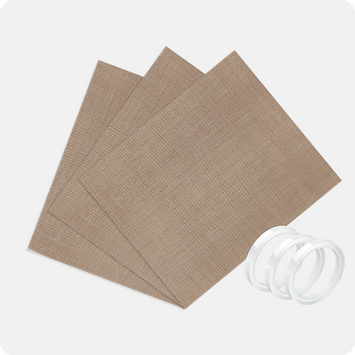
Secure the transfer paper tightly with heat-resistant tape and ensure even pressure.

Why spray peroxide on sublimation?

A light mist neutralizes residues, reducing yellowing. Use sparingly before pressing.

Why does my sublimation turn yellow?

Overheating, low-quality ink, or residual moisture. Lower temps, use premium supplies, and pre-press.

What kind of hard materials should I choose for hot pressing?

It is recommended to choose hard materials with flat and smooth surfaces for hot pressing, such as MDF, wood, and stainless steel.

Why are materials like uneven wood or rough surfaces not recommended for hot pressing?

Materials with uneven or rough surfaces, such as some types of wood or materials that have undergone processing that resulted in an uneven surface, can lead to inconsistent hot pressing results due to poor contact and uneven pressure distribution.

What are the potential risks of using hard materials for hot pressing?

There are several potential risks:
1. Uneven Heating: The heating plate of the machine may not be perfectly flat, leading to uneven heating and potential under-pressing or scorching in certain areas.
2. Uneven Pressure on Substrate: The hard substrate itself might have thickness variations, bumps, or uneven coating distribution, which can also cause uneven pressure and inconsistent results.
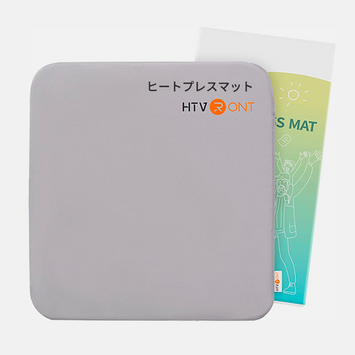
3. Poor Conformability: Both the heating plate and the hard substrate are rigid materials with poor conformability. This lack of cushioning can lead to localized areas of high pressure and other areas with insufficient pressure.
4. Safety Concerns: Some hard substrates may have poor high-temperature and pressure resistance, making them prone to melting or cracking during hot pressing, potentially creating safety hazards.
5. Machine Damage: Repeatedly using very hard materials for hot pressing can potentially cause wear and tear or damage to the hot pressing machine, reducing its lifespan.

What can happen if the heating is uneven or the pressure is not uniform during hot pressing with hard materials?

Uneven heating or non-uniform pressure can lead to areas where the material is under-pressed (not properly bonded or processed) or scorched (overheated and potentially damaged).

Is it safe to hot press all types of hard materials?

Not necessarily. Some hard materials might have poor resistance to high temperatures and pressure, which could lead to melting, cracking, or other safety issues during the hot pressing process. It's important to consider the material properties.

Can using hard materials affect the lifespan of the hot pressing machine?

Yes, repeatedly using very hard materials can potentially cause wear and tear on the machine, which may reduce its overall lifespan.